
Operating an excavator for the first time can be exciting, but it also comes with serious responsibilities. Whether you’re managing a construction site, landscaping a large property, or completing earthmoving tasks, safety should always be your top priority. Understanding how to handle the equipment properly not only protects you but also ensures efficiency and reduces the risk of costly accidents. If you’re considering excavator hire, this guide will help you navigate the basics and highlight the advantages of using advanced machines.
Why Safety Matters with Excavator Hire
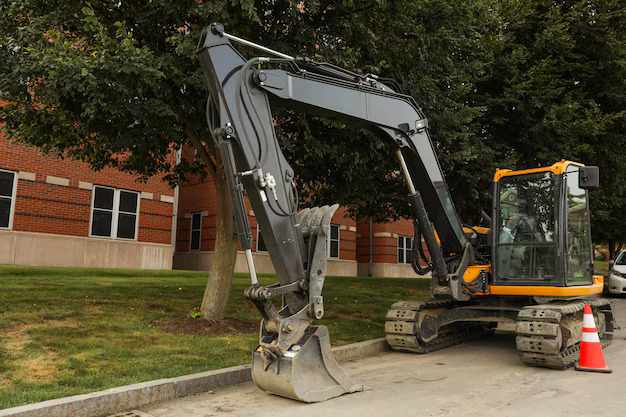
Excavators are powerful machines capable of moving large volumes of earth quickly, but that power comes with potential hazards. First-time operators may underestimate the complexity of the controls, the stability requirements, and the risks posed by the surrounding environment. Hiring an excavator without proper training can lead to equipment damage, project delays, or even serious injury. Investing in safety education and familiarising yourself with the machine ensures that your excavation work is both smooth and secure.
Pre-Operation Checks
Before you even climb into the cab, a thorough pre-operation inspection is essential. Always check:
Fluid Levels: Hydraulic fluid, engine oil, and fuel levels.
Track or Tyre Condition: Ensure tracks are tensioned correctly, and tyres are inflated.
Attachments: Inspect any tools or buckets, including tilt hitches, for damage or wear.
Safety Equipment: Seatbelts, horns, lights, and fire extinguishers.
By conducting these checks, you identify potential problems early, preventing accidents or downtime during operation.
Understanding the Controls
Modern excavators feature intuitive controls, but they still require practice to master. Take time to learn the basic functions: moving the boom, rotating the cab, operating the bucket, and using attachments. A tilt hitch excavator offers added flexibility for digging at angles and working in tight spaces, but first-time operators should practise slow, controlled movements until they’re confident with the machine’s range.
Stability and Terrain Awareness
Maintaining stability is critical when using an excavator. Always operate on level ground whenever possible and avoid working on steep slopes. Be aware of soft soil, trenches, or obstacles that could cause tipping. If your project requires a tilt hitch excavator, remember that tilting can shift the centre of gravity, so adjust your speed and movement accordingly.
Safe Digging Practices
When excavating:
Keep bystanders and vehicles at a safe distance.
Never overload the bucket.
Dig gradually, and avoid sudden jerks or fast movements.
Be mindful of underground utilities and structures.
Using an excavator with a tilt hitch can increase precision and efficiency, but it also requires extra caution when tilting the bucket at odd angles. Proper planning and slow execution will help avoid accidents.
Communication and Signage
If you’re on a construction site, maintain clear communication with other workers. Use hand signals, radios, or spotters to guide your movements. Clear signage around the excavation area helps prevent accidental entry by untrained personnel.
Post-Operation Protocol
Once the job is done:
Park the excavator on level ground.
Lower the bucket or attachment to the ground.
Turn off the engine and remove the key.
Conduct a brief post-operation inspection to check for any damage.
Proper shutdown procedures protect the equipment and prepare it for the next use, whether you’re returning it after an excavator hire or moving it to another site.
Conclusion
First-time excavator operators can enjoy a smooth, safe experience by following these essential safety tips. Investing time in pre-operation checks, mastering the controls, and maintaining awareness of stability and terrain ensures both safety and efficiency. Choosing advanced equipment, such as a tilt hitch excavator, can enhance versatility and performance, provided you operate it carefully. By prioritising safety, even beginners can complete excavation tasks successfully while reducing risk and maximising productivity.

Write a comment ...